

Houston Landscape Services
Sign up now for summer service and enjoy a lush, beautiful yard all season long!
Get a Free QuoteLandscape Services Tailored for Houston, Texas
Expert Lawn Care for Houston’s Unique Environment
Houston’s subtropical climate brings hot, humid summers and mild winters, creating unique challenges for residential lawns. Homeowners in neighborhoods like River Oaks, The Heights, and West University often contend with summer drought stress, which can leave grass brittle and brown without proper irrigation. Shaded lots from mature oaks and pecans, especially near Memorial Park, require specialized turf management to prevent thinning and moss growth. In areas with sloped terrain, such as around Buffalo Bayou, soil erosion can threaten both curb appeal and property value. Additionally, salt exposure from winter road treatments can impact soil health in certain parts of the city. For more information about Houston’s climate and local resources, visit the City of Houston’s official website.
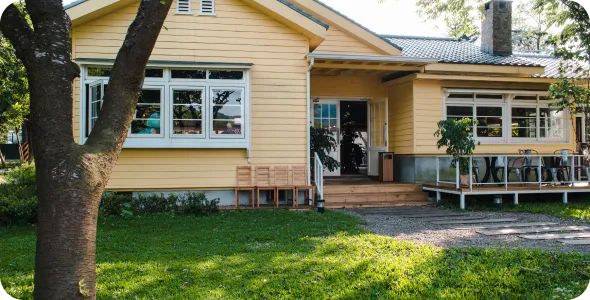
Our Houston Landscaping & Yard Care Services
Houston Gardening Services
Houston Yard Clean Up
Why Choose Houston Landscape Services
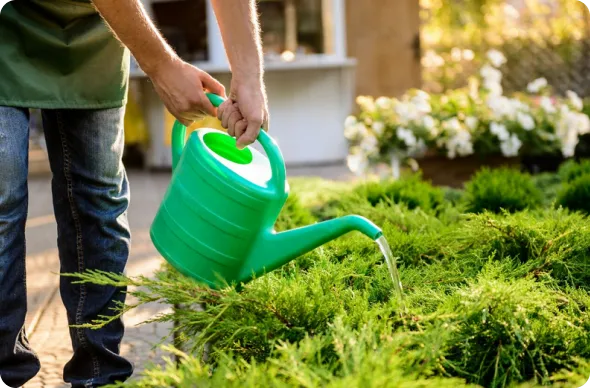

Houston Homeowners Trust Us
-
Expert Lawn Maintenance
-
Competitive Pricing
-
Professional Team
-
Satisfaction Guarantee
-
Personalized Service
-
Reliable Scheduling
Contact Your Local Houston Public Works or Solid Waste Department for Green Waste Info
Houston provides year-round curbside collection of yard trimmings, brush, and bulk green waste for single-family residences. Accepted materials include grass clippings, leaves, small branches, and shrub trimmings, which must be placed in city-approved compostable bags or bundled with string (no plastic bags allowed). Collection occurs weekly on regular trash days, but large brush or bulk waste may be scheduled monthly. Residents can also use Neighborhood Depository & Recycling Centers for drop-off of brush and yard waste, with proof of residency required. Commercial landscapers must use approved disposal facilities and may be subject to fees. Dumping or blowing grass clippings, leaves, or soil into streets, storm drains, or ditches is strictly prohibited to protect water quality and comply with the Clean Water Act and local MS4 rules.
Houston Public Works Department
611 Walker St, Houston, TX 77002
Phone: 713-837-0311
Official Website: Houston Public Works Department
Lawn Care Regulations & Permits in Houston, TX
Lawn care in Houston is governed by a combination of city ordinances and Texas state law. Fertilizer use is regulated under the Texas Agriculture Code, Chapter 63 (Commercial Fertilizer), with no universal phosphorus ban, but local watershed or HOA rules may restrict fertilizer types or application near waterways. Pesticide and herbicide use must comply with Texas Agriculture Code, Chapter 76 (Pesticide and Herbicide Regulation), and commercial applicators require licensing through the Texas Department of Agriculture - Pesticide Licensing. Outdoor watering is subject to city drought contingency plans, often limiting irrigation to twice weekly and prohibiting watering between 10 AM and 6 PM. Noise ordinances restrict lawn equipment operation to designated hours, especially on weekends and holidays. Commercial operators must register with the city, maintain liability insurance, and comply with vehicle and worker certification requirements.
Houston Development Services Department
611 Walker St, Houston, TX 77002
Phone: 832-394-9000
Official Website: Houston Public Works Department
What Neighborhoods Do We Serve in Houston, TX?
Houston’s diverse neighborhoods present unique lawn care challenges. In River Oaks and West University, heavy clay soils and mature tree canopies require careful drainage management and shade-tolerant turf like St. Augustinegrass. The Heights and Montrose feature older homes with compacted urban fill soils and smaller lots, demanding frequent aeration and attention to runoff. Meyerland and Braeswood, near bayous and floodplains, face periodic flooding and benefit from deep-rooted grasses and erosion control. Kingwood and Clear Lake, with sandy loam soils and proximity to greenbelts, support zoysiagrass and require vigilance against drought stress. Newer subdivisions in Katy and Cypress have builder-grade topsoil and large lots, making soil improvement and efficient irrigation essential. Each area may have HOA rules, historic district guidelines, or proximity to creeks and recharge zones that influence lawn care strategies.
Partnering With Houston’s Environmental Services, Stormwater, or Sustainability Office
Houston’s Environmental Services and Stormwater Division coordinate efforts to protect local creeks, bayous, and watersheds. Sustainable landscaping practices are encouraged, including:
- Use of native and adapted plants
- Mulching and grasscycling
- Compost topdressing and soil building
- Rain gardens and bioswales for runoff reduction
- Limiting fertilizer and pesticide use near waterways Stormwater management aligns with the Texas Commission on Environmental Quality - Phase II MS4 Permit, requiring clippings and debris to be kept out of storm drains. The city partners with local nonprofits, Tree City USA, and watershed groups for education and invasive species management.
Houston Environmental Board
901 Bagby St, Houston, TX 77002
Phone: 832-393-0980
Official Website: Houston Environmental Board
Top Houston Lawn Problems (and How We Solve Them)
Houston lawns face several region-specific challenges:
- Soil compaction and poor drainage
- Alkaline, heavy clay soils with shrink-swell behavior
- Brown patch, take-all root rot, and gray leaf spot (fungal diseases)
- Chinch bugs, white grubs, and armyworms
- Heat and drought stress, especially during summer
- Weed invasions: crabgrass, nutsedge, chamberbitter
Science-based solutions include:
- Annual soil testing and targeted fertilization (Texas A&M AgriLife Extension - Lawns & Turfgrass)
- Core aeration and compost amendments to improve soil structure
- Correct mowing heights by turf species (AggieTurf)
- Integrated pest management and disease-resistant cultivars
- Irrigation audits and cycle-and-soak watering for clay soils
- Mulching and grasscycling to retain moisture and nutrients
What Makes Lawns in Houston Different From the Rest of Texas?
Houston’s horticultural conditions are shaped by:
- USDA Hardiness Zone 9a, with a long growing season and mild winters
- Predominant Gulf Coast clay soils, often alkaline and poorly drained
- High humidity, frequent summer rainfall, and occasional drought
- Urban heat island effects and reflected heat from pavement
- Proximity to bayous, floodplains, and low-lying areas
- High pest and disease pressure due to warmth and moisture
- Traditional preference for St. Augustinegrass, with increasing adoption of drought-tolerant and native species
- HOA-driven landscape standards and a shift toward sustainable, water-wise practices
Supporting Local Events in Houston With Lawn Expertise
Lawn care professionals support Houston’s vibrant community by preparing and maintaining:
- City parks and green spaces for festivals and public events
- Athletic fields for youth sports leagues and school activities
- Civic centers, libraries, and public gardens
- Neighborhood association events and seasonal festivals
- Emergency storm cleanup after hurricanes, floods, or freezes Collaboration with the Parks & Recreation Department, public works, and local schools ensures safe, attractive, and resilient green spaces for all residents.
Houston Parks and Recreation Department
2999 S Wayside Dr, Houston, TX 77023
Phone: 832-395-7000
Official Website: Houston Parks and Recreation Department
Eco-Friendly Landscaping Backed by Houston’s Water-Saving and Green Initiatives
Houston’s sustainability goals emphasize water conservation, drought resilience, and reduced environmental impact. Key practices include:
- Smart irrigation controllers and rain/freeze sensors
- Drip irrigation for beds and cycle-and-soak scheduling
- Drought-tolerant turf and native plant integration
- Rainwater harvesting and cistern use
- Compost topdressing and biological soil improvement
- Integrated pest management and pollinator-friendly planting
- Battery-powered equipment and efficient routing to reduce emissions
- Grasscycling and compost diversion to minimize landfill waste These initiatives align with city and regional water conservation plans and climate resilience strategies.
Houston Public Works Department
611 Walker St, Houston, TX 77002
Phone: 713-837-0311
Official Website: Houston Public Works Department
Proudly Serving These Streets and Areas in Houston
Houston’s lawn care services extend across:
- Downtown and Midtown: Main St, Bagby St, Allen Pkwy, Discovery Green, Buffalo Bayou Park
- West: River Oaks, Memorial, Tanglewood, Briargrove, Westchase, Energy Corridor
- North: The Heights, Garden Oaks, Oak Forest, Acres Homes, Northline
- East: Eastwood, Magnolia Park, Denver Harbor, Fifth Ward, Harrisburg
- South: West University, Bellaire, Meyerland, Braeswood, Sunnyside, South Main, Medical Center
- Suburbs: Kingwood, Clear Lake, Katy, Cypress, Spring Branch, Alief, Sharpstown, Pearland, Sugar Land
- Major subdivisions: Lakes of Parkway, Sienna, Bridgeland, Shadow Creek Ranch, Woodforest, Willow Meadows, Timbergrove, Lindale Park
- School districts: Houston ISD, Spring Branch ISD, Alief ISD, Katy ISD, Clear Creek ISD
- Landmarks: Hermann Park, Memorial Park, White Oak Bayou, Brays Bayou, Houston Zoo, NRG Stadium, University of Houston, Texas Medical Center Special considerations apply in HOA-regulated areas, floodplains, water districts, and historic preservation zones, ensuring compliance with all local and regional requirements.